
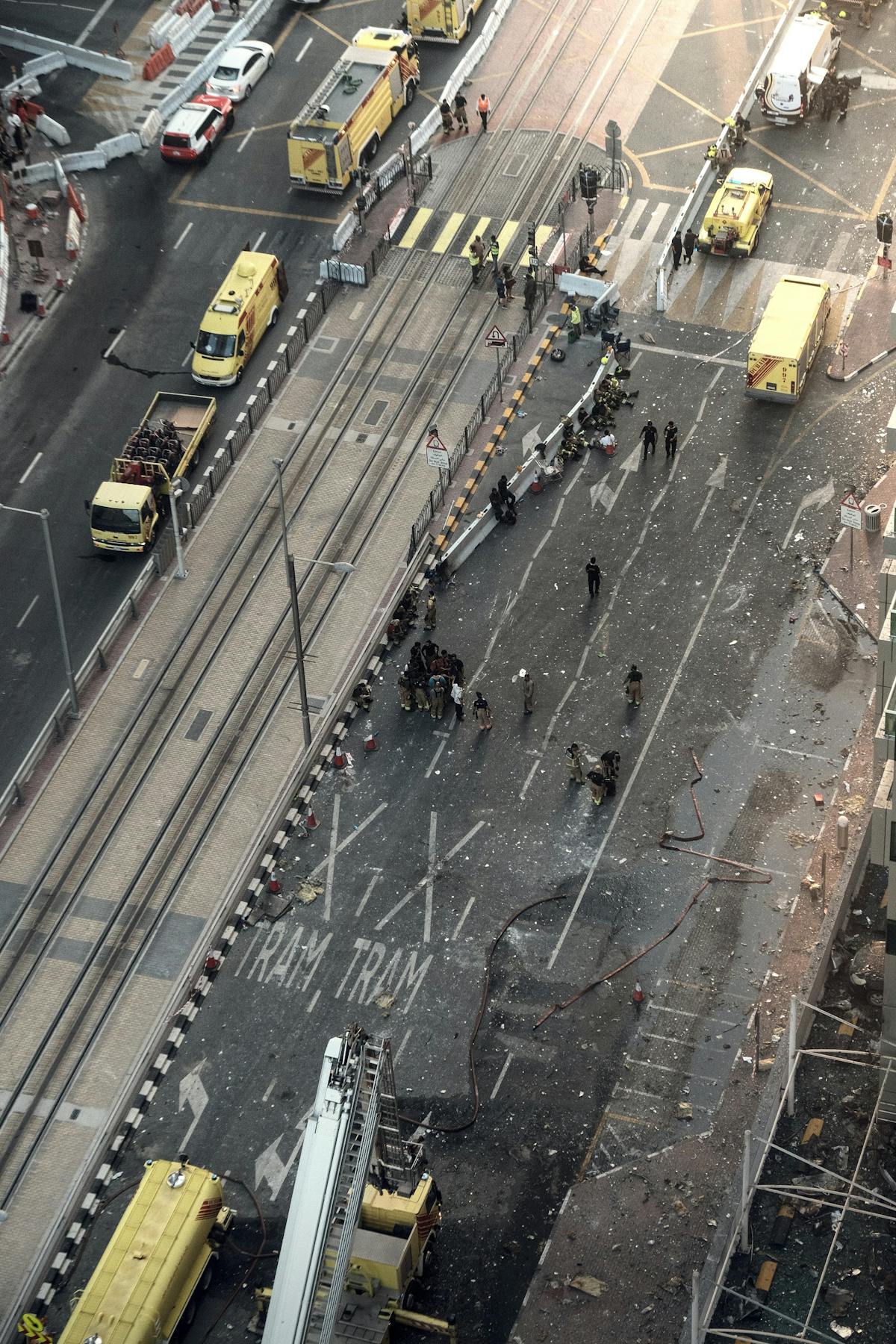
Why teams struggle during incidents
- No shared severity definition.
- Too many people speaking in the same channel.
- Unclear ownership for decisions and updates.
- No runbook for first 15 minutes.
- Postmortems with no follow-up execution.
First 15 minutes playbook
- Declare incident and severity level.
- Assign Incident Commander and Communications Lead.
- Open dedicated incident channel and timeline doc.
- Stabilize first: rollback, traffic shift, or failover decision.
- Publish first stakeholder update within 10 minutes.
Speed matters, but calm structure matters more.
Recommended role model
- Incident Commander: owns decisions and coordination.
- Operations Lead: executes technical mitigations.
- Communications Lead: manages internal/external updates.
- Scribe: records timeline, actions, and decisions.
Severity model example
- SEV1: major customer impact, revenue or compliance risk.
- SEV2: partial degradation with workaround.
- SEV3: localized issue, low user impact.
Keep this model stable. Constantly changing definitions creates confusion during real incidents.
Post-incident improvement loop
- Blameless review within 48 hours.
- Root causes and contributing factors documented clearly.
- Corrective actions mapped to owners and deadlines.
- Top actions tracked weekly until closure.
- Runbook and alerts updated based on lessons learned.
FAQ
How often should we run incident drills?
At least quarterly for critical services.
Should executives join incident channels?
They should get structured updates, not interrupt operational response.
Do small teams need formal incident roles?
Yes. Even in small teams, role clarity reduces confusion.
What KPI should we track first?
MTTR and repeated-incident rate by root-cause category.
Next action
Draft your one-page incident playbook this week and run a 30-minute simulation with the engineering team.